61° and Light rain shower
Image
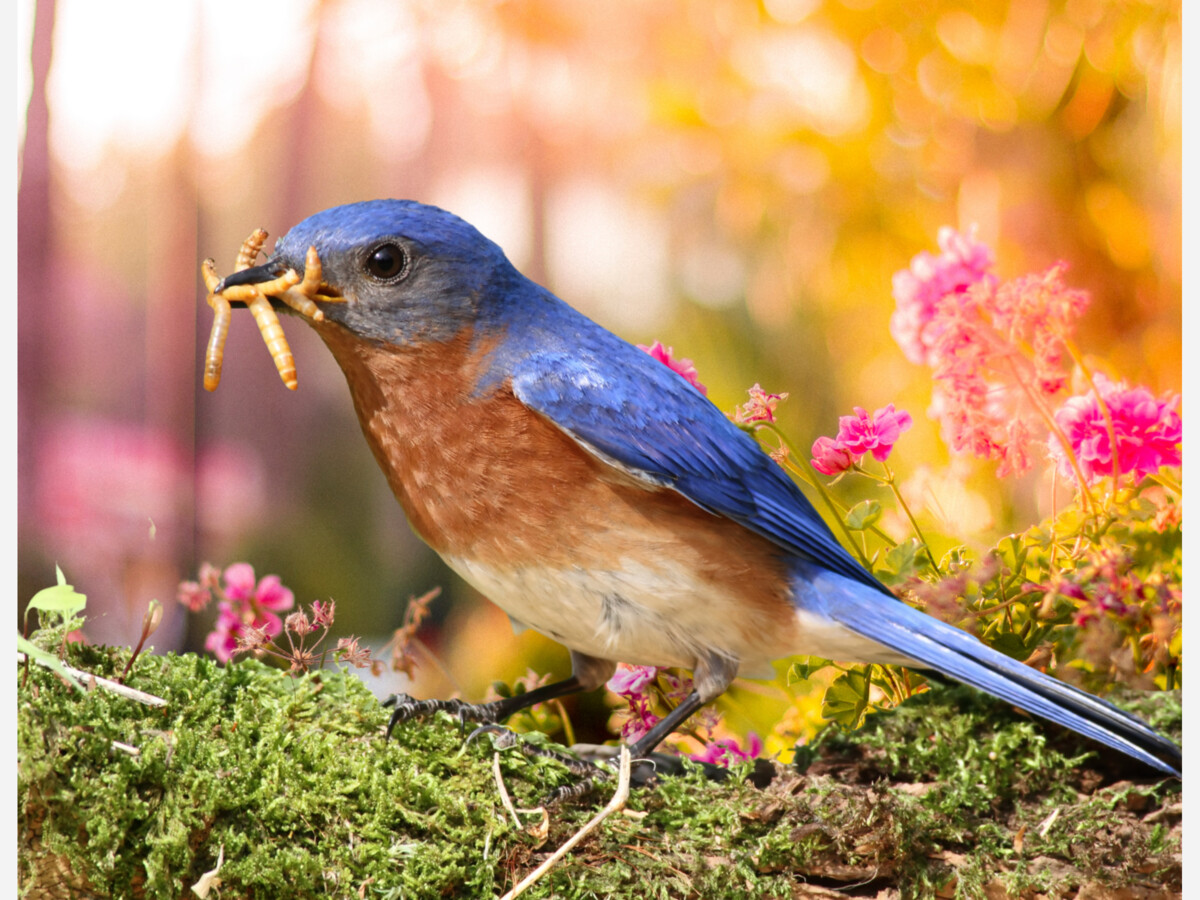
Photo illustration by Westwood Minute using licensed stock images.



By Kate La Croix and Maria Costantini
It’s a frequent sight during the warmer months: a mosquito truck arrives in the neighborhood. The workers don their protective gear, almost as if they are preparing to walk on the moon, grab their magic wands, and begin spraying their potion on the lawn. Afterwards, tiny yellow signs will warn us: don’t even let your dog walk here.
Spraying these chemicals kills more than just mosquitoes, turning our yards into dead zones. A healthy lawn is home to a variety of beneficial insects such as bees, beetles, grubs, spiders, and mealworms that all contribute to a bird’s diet. Yet the truck will come back regularly to ensure that no new insects colonize the lawn.
As friends concerned about the survival of pollinators and birds, we searched for information about insects and the chemicals used to kill them. We found that there are many species of bug-eating birds in Massachusetts, including Tree Swallows, Chimney Swifts, Downy Woodpeckers, Eastern Bluebirds, and the Black-capped Chickadee (Mass.gov). Almost all birds feed their growing chicks high-protein insects in order to ensure survival. Through their search for food, birds are also important pollinators. Thus, a healthy lawn plays a role in supporting a healthy habitat. Lawns without insects mean an environment without birds.
Several chemicals can be used to kill mosquitoes. Permethrin (part of the Pyrethroids group of manufactured chemicals) is the most widely used in the U.S. The Agency for Toxic Substances and Disease Registry (ATSDR) has done a comprehensive health assessment of these compounds, too long to summarize here. The bottom line? [These compounds] “interfere with the normal way that the nerves and brain function.” People and pets may be exposed to insecticides through direct contact with sprays, by touching plants or other objects in the treated area, or by inhaling small amounts of pesticide remaining in the air. Further, the CDC cautions against pesticide application on garden fruits and vegetables as well as blooming plants that bees, butterflies, and other pollinators visit. People and pets should of course stay out of the treated area until the pesticide treatment has dried.
It is true that lawns may host insects that are harmful to people, like the Eastern Equine Encephalitis mosquito; however, standing water, where mosquitoes breed, is a larger concern. Residents can easily combat this by emptying containers where rain water collects. In situations where there is a high risk of mosquito-borne disease, the state’s response plan recommends the use of an aerial pesticide spray in the evening and overnight hours to reduce the number of infected, adult mosquitoes in the specific areas of high risk (Mass.gov). Is the additional spraying of lawns really necessary, particularly when there are so many cautions against human and pet exposure?
For us, having healthy habitats in our neighborhoods is a priority. We know that the number of pollinators is declining in Massachusetts and other states, yet these insects are the foundation of a healthy ecosystem. If we expel them, we invite the loss of birds, other creatures further along the food chain, and the life-sustaining biodiversity on which we all rely.
Thanks to Kate La Croix, a Westwood resident and member of Westwood Environmental Action Committee, and Maria Costantini, a Westwood resident, WEAC member, and retired environmental scientist, for sharing their opinions with Westwood Minute.
Do you have an opinion on a topic of interest to share with our community? Register for a free account and review our Community Guidelines to self-post, or send your submission to WestwoodInMinute@gmail.com.
We used to spray our lawn with a company that said they used non-toxic chemicals. The loss of bees, frogs, pollinators and birds in our garden was dramatic. We stopped spraying after a couple of years and switched to using mosquito dunks, which break the mosquito lifecycle by releasing a bacteria that kill the larvae. It has been so much more effective (and cheaper) than spraying - I think also in part because we have all the insects and birds back that eat mosquitos.
Great topic! I'd love to see more from the environmental action committee on encouraging less use of pesticides/weed killers/fertilizers in town.


Sunny, with a high of 61 and low of 46 degrees. Sunny for the morning, clear in the afternoon and evening, patchy rain nearby overnight.






Thank you for this article! The simple rule of thumb for what is acceptable isONLY clean paper, cardboard, and empty bottles, cans, and rigid containers at least the size of a tennis ball.