62° and Overcast
Image
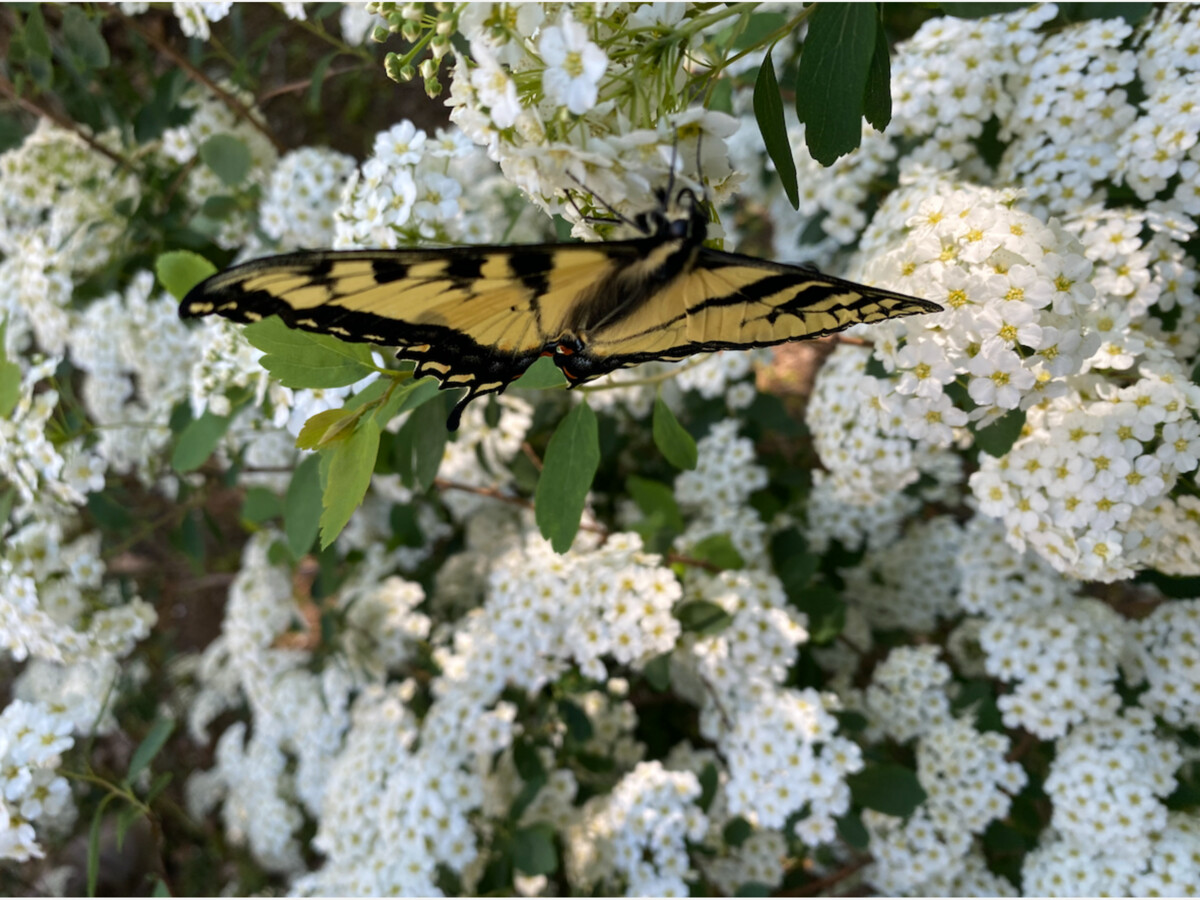
Photo by Westwood Minute/Darlene Wong Cancell. Pollinator decline can result with the removal of natural systems and native plants that support them.



State officials want local residents to know that a flower pot, a residential yard, or a patch of land can become part of an effort to rebuild habitat for Massachusetts pollinators. Through the statewide Growing Wild initiative, Massachusetts is asking Westwood residents and others in the Commonwealth to pledge their gardens as a place for native species to grow.
The initiative launched with its sixth year in June, at a time that conservation of native plants has received heightened attention in Westwood. Local residents have debated the arguments raised in the case of Town of Westwood vs. Westwood Land Trust, in which land trust supporters argued that conservation land including native plants and established ecosystems could be harmed by the town’s proposed farming. The Superior Court decided the case in May.
Growing Wild continues beyond June as a year-round movement to show residents that they can create native plant habitats, said Patrick Lindquist, Growing Wild program coordinator with the Department of Conservation and Recreation’s Resource Stewardship Office.
“The insects and plants have evolved together for a very long time. Ultimately, through modernization, we’ve removed a lot of natural systems,” said Lindquist, noting that this has created “big gaps” in pollinator habitat and disconnected “islands” that can affect pollinators’ range. “Pollinators can’t hop on a highway,” Lindquist said.
Residents are invited to pledge their gardens online and be included in a state database and map of communities that support native plants and biodiversity. Participants who pledge indicate that they will establish a native garden. The garden can be as small as a container or cover an area over 1,000 square feet.
“If we want to support pollinators and insects, we need habitat everywhere, so we need public participation,” said Lindquist. “If everyone does their small part, it can make a big impact. Adding two native plants to your local area can have a big impact.”
Comprehensively measuring pollinator decline is challenging because the Commonwealth does not have a long-term monitoring program for the thousands of species of insects, say officials at the Massachusetts Department of Agricultural Resources. Pollinators include bees, butterflies, moths, beetles, flies, and wasps. However, the state has more robust data on managed pollinators, such as honey bees. That data show substantial colony losses each year.
According to a spokesperson for MDAR, for the 2025-2026 survey season, Massachusetts beekeepers reported a total colony loss rate of approximately 30%, while the average beekeeper reported losing 43% of their colonies. From 2015 through 2026, colony-loss rates each year were reported in the range of 23% to 52%, across the state. During that same period, the average loss rate experienced by individual beekeepers ranged from 36% to 50%, said MDAR.
Development has changed the landscape, and native plants do not grow as abundantly or in as large areas as they once did.
“Planting native species in home gardens, farms, parks, schools, and other landscapes helps restore habitat and increase the availability of food resources for pollinators. Collectively, these plantings can create a network of habitat that supports pollinator populations across the Commonwealth,” said MDAR officials.
Thanks to Patrick Lindquist, Massachusetts Department of Conservation and Recreation, and Massachusetts Department of Agricultural Resources for speaking with Westwood Minute.
Updated 7/25/2026 at 9:29 a.m.
what a great way to encourage people to plant native, it gives me so much pleasure to see who is visiting my plants.

Patchy rain nearby, with a high of 62 and low of 54 degrees. Patchy rain nearby during the morning, fog in the afternoon and evening, patchy rain nearby overnight.




Thank you for this article! The simple rule of thumb for what is acceptable isONLY clean paper, cardboard, and empty bottles, cans, and rigid containers at least the size of a tennis ball.