64° and Light drizzle
Image
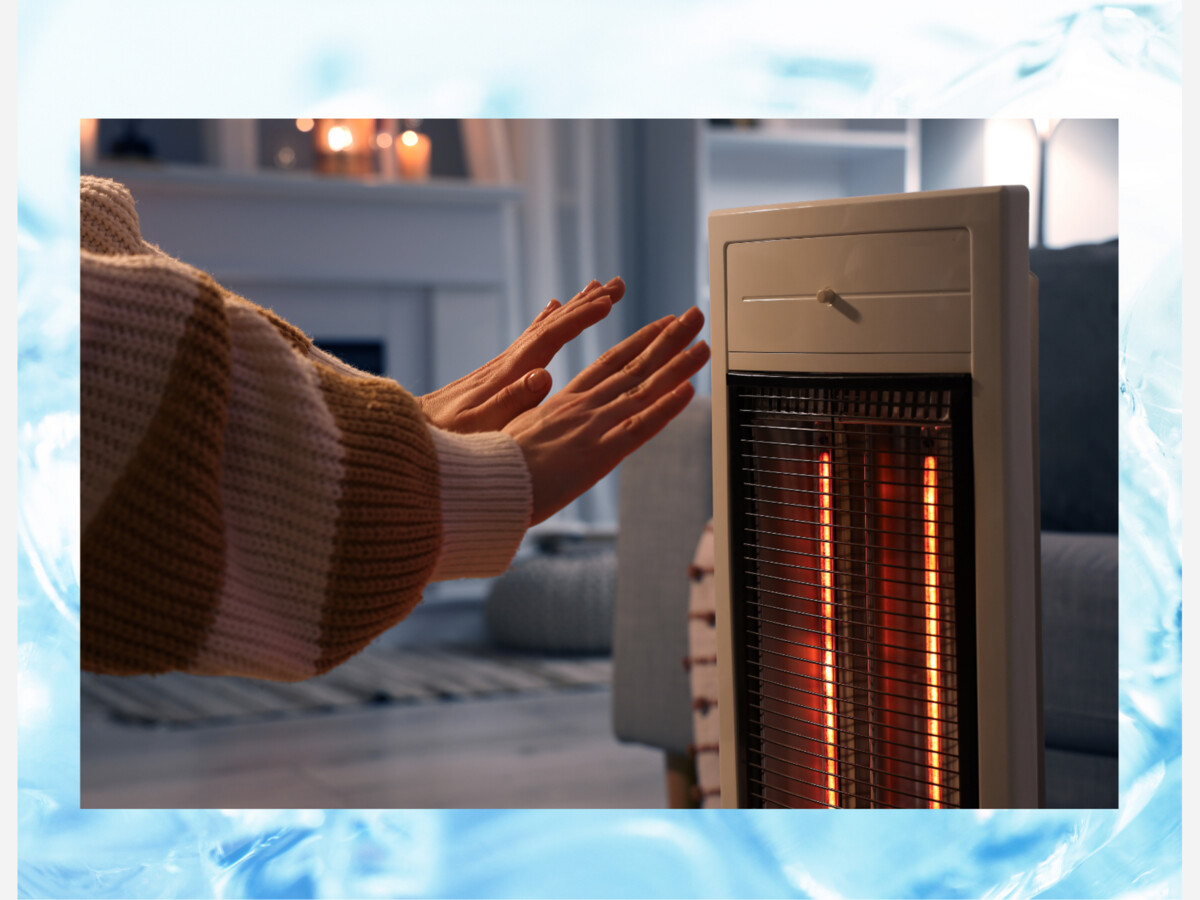



Following Governor Maura Healey declaring a State of Energy Emergency and issuing an Executive Order on October 5, approximately 50,000 middle-class households that use heating oil will now be eligible for a new home heating assistance benefit, and approximately 156,000 low-income households will receive increased heating assistance through the Massachusetts Home Energy Assistance Program (HEAP)said the governor’s office.
The cost of heating oil is currently 70 percent higher compared to the same time last year, and prices are likely to remain volatile, according to the governor’s office. It notes that in Massachusetts, the average price of home heating oil reached $6.08 per gallon as of September 28, up 73 percent from $3.52 last year. Approximately one in five Massachusetts households relies on heating oil, particularly in older homes and rural communities.
Under the governor’s Executive Order, a one-time emergency benefit will be created by the Executive Office of Housing and Livable Communities to assist middle-income households earning between 60 and 100 percent of State Median Income with assistance of up to $680 per household. For a family of four, this means households earning more than $103,049 and up to $171,749 may qualify for this year’s emergency benefit. Assistance will be available beginning in December, and will remain available through April 30, 2027, or until funding lasts.
Assistance for low-income households begins on November 1. The state will provide an estimated 156,000 low-income households with an added $15 million in winter heating assistance. Current assistance ranges from approximately $525 to $1,200 per household, said the governor’s office. Under the governor’s plan, low-income households that heat with oil can expect a 20 percent increase in assistance, while households that heat with utilities can expect a 15 percent increase.
Households whose heat is included in their rent can also qualify. Applicants’ homes can be owner-occupied or rented, and applicants do not need to be on public assistance or have unpaid heating bills to receive assistance.
The announcement of greater support from the state comes in the context of decreased federal funding. Federal funding of $142,330,091 has been awarded to Massachusetts through the federal Low Income Home Energy Assistance Program (LIHEAP), but that amount is nearly $4 million less than the state’s initial $146 million allocation last year, according to an October 14 press release from Congresswoman Lori Trahan (MA-03). The congresswoman says the decrease is driven by the expiration of a five-year LIHEAP increase included in the Bipartisan Infrastructure Law.
Homeowners and renters can apply for HEAP online at www.mass.gov/heatinghelp or through the same local agencies that traditionally have provided energy assistance across the state, such as Westwood Council on Aging at 60 Nahatan Street, that serves Westwood residents. A list of local application agencies, by town, is available.
In Westwood and the surrounding towns of Canton, Dedham, Needham, Norwood, and Walpole, the regional community action agency is Self Help, Inc., which has relocated from Brockton to 780 West Main Street in Avon. For Dover and Medfield residents, the regional agency is South Middlesex Opportunity Council in Framingham.
Applications may be accepted online or in-person. For example, online applicants served by Self Help can visit the selfhelpinc.org website to complete a form. In-person applicants can visit the agency, being sure to bring all supporting documentation during office hours, listed on the agency website as Monday through Thursday, from 8:15 a.m. to 3:15 p.m. An agency employee also recommended that in-person applicants avoid frustration by being aware that the office closes from 12:00 p.m. to 1:00 p.m. for a lunch break.
In addition to providing additional home heating assistance, the Healey-Driscoll Administration says it is also eliminating the SMART program charge on residential electric bills for three months – a line item associated with the Solar Massachusetts Renewable Target program. The charge will instead be covered by the state’s alternative compliance payment (ACP) funds, as identified by the Department of Energy Resources and Department of Environmental Protection.
The administration also announced cutting ratepayer costs associated with the Alternative Portfolio Standard by 50 percent this winter.
Overall, the governor’s plan will lower energy bills for approximately 85 percent of ratepayers, said the Healey-Driscoll Administration.
Governor Healey also announced a new partnership with Citizens Energy Corporation to create an Emergency Winter Warmth Fund to provide additional help to families struggling with heating costs this winter.
“Families are seeing the impact of the war in Iran every time they fill up their gas tank, place an order for heating oil or open their electric bill. I’m declaring a State of Energy Emergency because in Massachusetts, we are going to use every tool we have to get people relief," said Governor Healey. “We’re delivering nearly $150 million in savings, including helping middle class families who didn’t previously qualify for assistance and taking charges off of electric bills for households and businesses across Massachusetts.”



Overcast, with a high of 66 and low of 46 degrees. Overcast during the morning, patchy rain nearby in the afternoon, light rain shower for the evening, partly cloudy overnight.





Thank you for this article! The simple rule of thumb for what is acceptable isONLY clean paper, cardboard, and empty bottles, cans, and rigid containers at least the size of a tennis ball.