This post expresses the views and opinions of the author(s) and not necessarily that of Westwood Minute management or staff.
To the Editor of the Westwood Minute and Westwood Residents
November 6, 2025
From: Chuck Bean, Westwood Resident and Father of Christopher Bean, Farmer, and Operator of the Bean Family Farm
I understand why some residents are confused about why the Town of Westwood is taking the Westwood Land Trust (WLT) to court over the Conservation Restriction (CR) for the field/meadow at 665 Clapboardtree Street. As someone directly involved in this property’s history, I feel compelled to share the facts.
In the late 1990s, my late father, Charlie Bean, founded the Clapboardtree Preservation Society to oppose a proposed 68-unit condominium project on, what was then, Prout Farm at 665 Clapboardtree Street. He personally went door to door, rallying neighbors to conserve the land. Through those efforts, he met Duncan and Ellen McFarland, who ultimately purchased the property, donated the development rights, placed it under conservation, and transferred ownership of the land to the Town of Westwood. This effort also led to the creation of the Westwood Land Trust (WLT).
At my father’s request, the Conservation Restriction (CR) on the property was written to explicitly allow agricultural uses of the adjacent open field to our family’s farm — ensuring that future generations of our family could continue small-scale farming on the land. The language was clear, intentional, and approved by all signatories, including the McFarlands and the Select Board.
A few years later in the early 2000’s, my family assisted the McFarlands with another property they owned directly across the street at 682 Clapboardtree by selling them some of our land down by our pond for a nominal sum and giving up needed frontage to enrich the value of the development rights before they conserved this land. We helped the McFarlands, because they helped us, by including the agricultural language in the CR across the street.
More than twenty-five years later, the WLT and the McFarlands now claim that farming was “never the intent.” This revisionist view directly contradicts both the document’s plain language and the recollections of those who drafted it. The Town — as landowner — through the Select Board and Conservation Commission has already voted unanimously to permit agriculture on the 8-acre field, but after nearly a decade of delays and uncooperative behavior by the WLT, the Town was forced to seek a legal remedy.
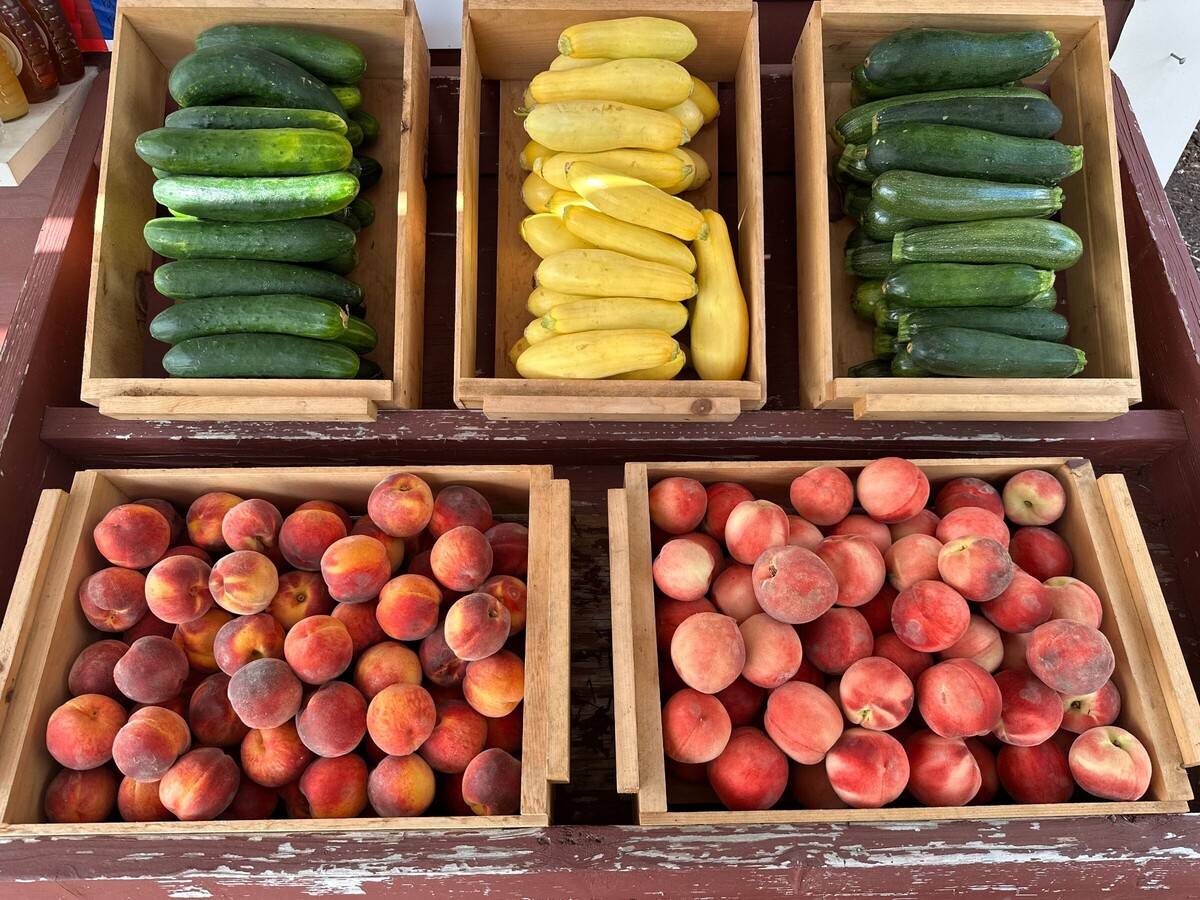
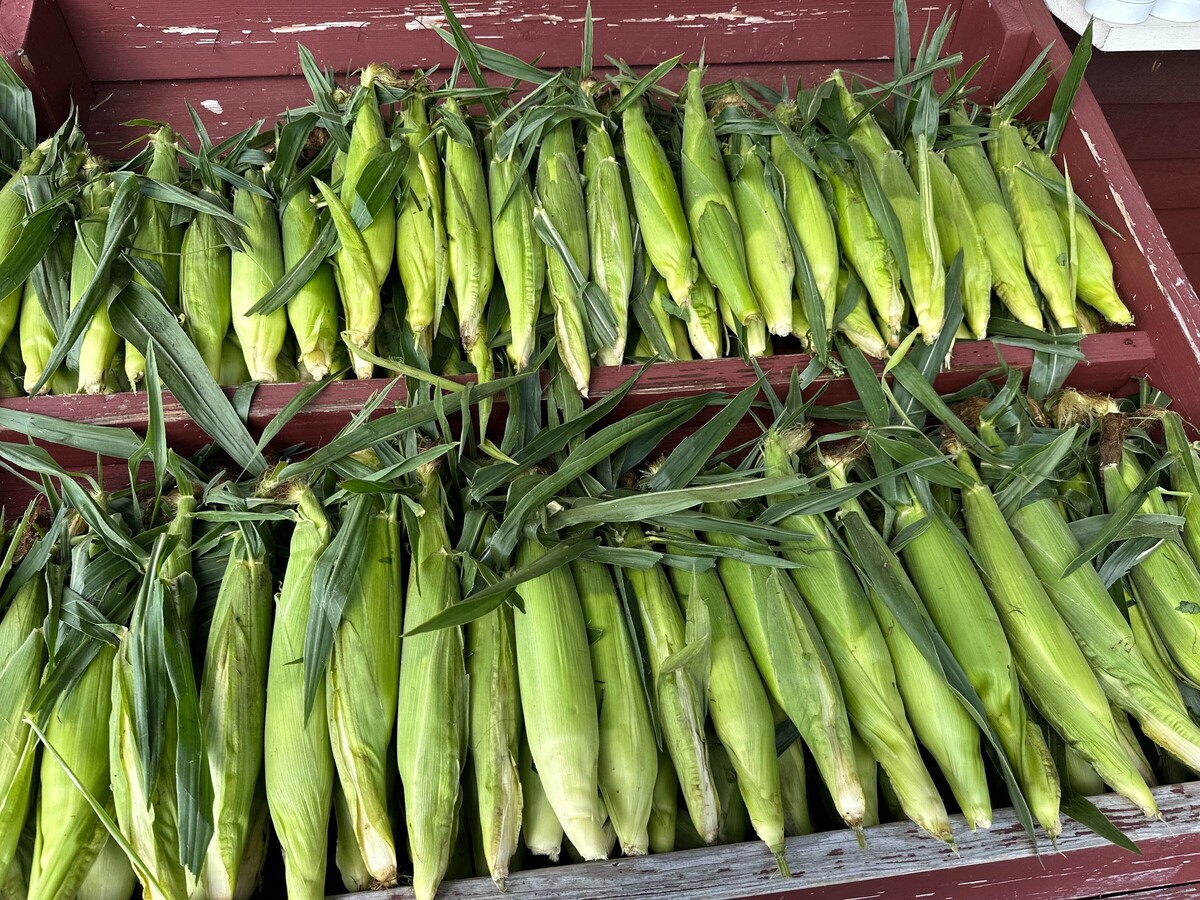
To put this in perspective: the area in question represents only 8 acres of the 220 acres under WLT conservation in Westwood — just 3.5% of the total — yet it is critical to sustaining Westwood’s last working farm. And this is the only property owned by the Town or the WLT that has agricultural use language within the CR document, again intentional. Despite misconceptions, it will not set a precedent for other conserved properties in town, because their CRs don’t have the same language. Without access to this land, my son, Christopher Bean, who operates the Bean Farm, will be unable to continue our family’s 70+ year farming tradition in Westwood. This field is needed to grow and harvest an adequate yield of fruits and vegetables to support a new Farmstand (on Bean property) and secure a long term healthy sustainable farming operation.
Contrary to misinformation, the Bean Farm is not a large commercial enterprise, but a small, family-run operation that provides fresh, local produce and contributes to the town’s rural character. Responsible agriculture would enhance — not harm — the meadow’s ecosystem by improving soil health, supporting pollinators, and maintaining open space through active stewardship.
Finally, for those concerned about legal costs: over twenty years ago, my brother and I were mistakenly assessed about $40,000 in rollback taxes when withdrawing land from Chapter 61A, despite a family exemption in the law. Adjusted for inflation, that error now exceeds $100,000 — more than covering the Town’s current legal expenses in principle.
With respect to the McFarlands, their contributions to conservation in Westwood are significant and appreciated. However, on this matter, the record speaks for itself. The Conservation Restriction allows agriculture — because it was always meant to.
I respectfully ask the Westwood Land Trust and the McFarlands to honor the original intent of the agreement, end this costly litigation, and allow the Bean Farm to continue serving the community — as it has for over seven decades.
Residents seeking accurate information can visit www.savebeanfarm.com, where related documents, responses, and updates are publicly available.
Respectfully,
Chuck Bean

 47° and Clear