This post expresses the views and opinions of the author(s) and not necessarily that of Westwood Minute management or staff.
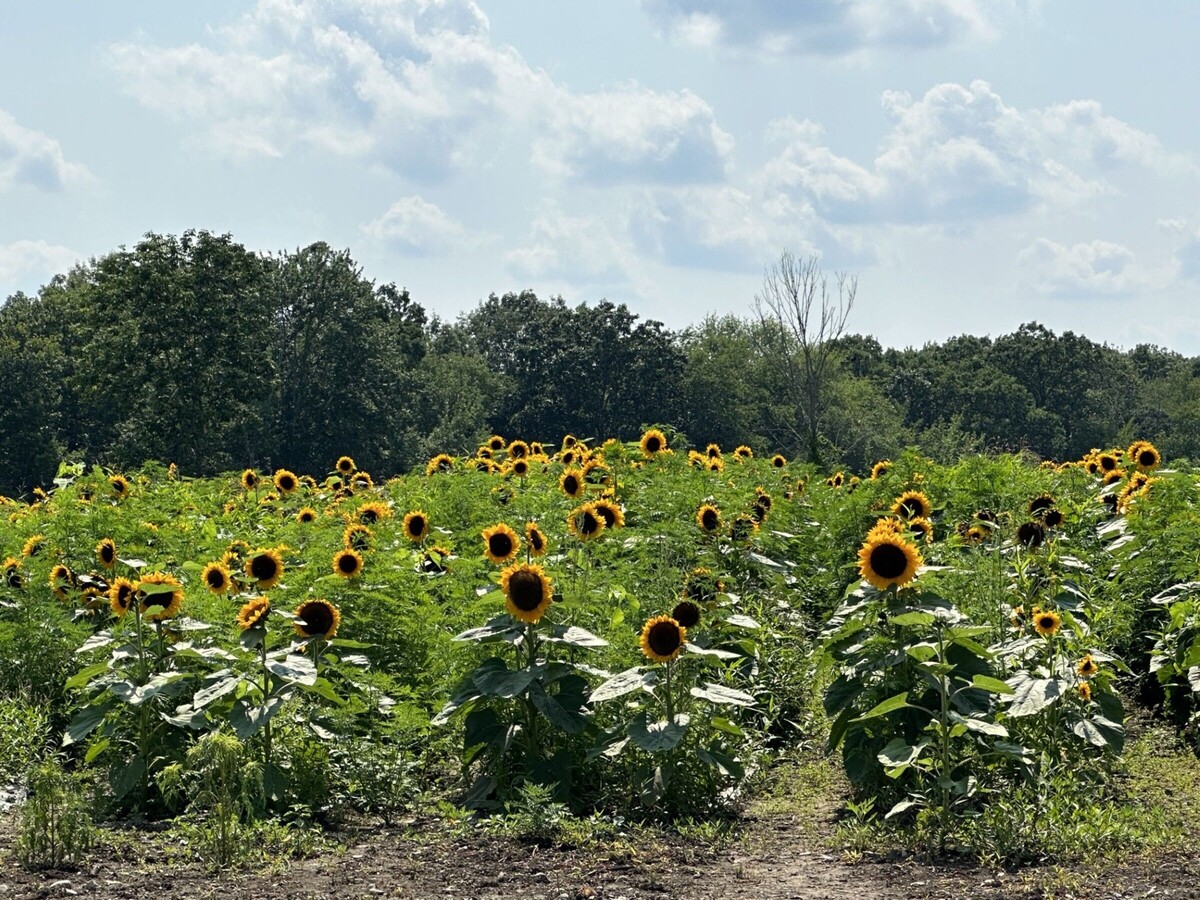
Many of us grew up in Westwood; we are now getting married and starting families of our own. Some of us were privileged to have the Bean Farm be part of our later childhood and teen years -- who doesn’t love visiting a farm?! More recently, some of us worked summers on the farm (an opportunity less available in today's world) -- learning directly from the Beans the meaning of “earning an honest day’s pay for an honest day’s work”. We want to preserve that cherished experience for our own young children. In this day and age, it will be an absolute shame (if not sinful) to let such a marvel die off.
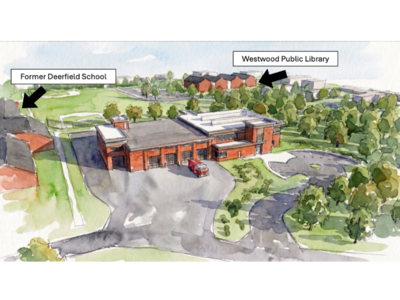
Westwood has an opportunity to do something rare and valuable: protect conservation land and support local agriculture at the same time. Allowing The Bean Family Farm to use 8 acres of the 28-acre Clapboardtree property (a.k.a. Prout Farm/Clapboardtree Meadow) is a reasonable, balanced decision that serves the town’s environmental, economic, and community interests.
First, farming and conservation are not opposites. Agriculture -- especially small-scale, local farming -- has long coexisted with land preservation in Massachusetts. Farming maintains open space, prevents development pressure, and keeps land actively stewarded rather than neglected. An actively managed farm field does not “destroy” conservation value; in many cases, it preserves it by preventing subdivision, paving, or commercial development. (Massachusetts Farmland Protection Options – A Guide for Landowners, Land Trusts, and Municipalities)
Second, this land has an agricultural history. The disputed area was not pristine wilderness -- it was historically farmed! Using a portion of it for agriculture is consistent with how the land has long functioned and how residents have understood it. Preserving land does not mean freezing it in time; it means managing it responsibly for public benefit.
Third, The Bean Family Farm represents exactly the kind of local enterprise towns should support. Local farms strengthen food security, reduce reliance on distant supply chains, and keep money circulating in the local economy. If Westwood prevents a viable local farm from operating on town-owned land, it sends a troubling message about whether the town truly values local agriculture beyond slogans and farmers’ markets. The United States (including Massachusetts) is doing everything possible to help the dying American Farm survive and thrive. Westwood is lucky to be one of the rare towns in Massachusetts to have a farm, with a Cornell University educated farmer who has expertise in agricultural and wonderful success in clean, sustainable farming! Do we really want to be the town who actively kills off its sole, surviving farm – a national treasure? Our town is getting national publicity on this, and it isn’t positive for the Land Trust; a South Carolina Senator called our beloved Westwood farmer — Chris Bean — to hear firsthand what is going on in this “troubling controversy against farms”. Local news has a similar tone toward WLT — see Kevin Cullen’s Boston Globe article, Fox 25 TV’s news coverage, and MSN’s Daily Mail news.
As a town, we can be better, do better — and we should. Let’s model caring, compromising resolutions and be the best version of ourselves.
Fourth, the Land Trust’s authority should not be absolute when it conflicts with the broader public interest. Conservation restrictions exist to prevent harmful use -- not to block reasonable, community-benefiting activities outright. When an entity (like the WLT) refuses to allow a use that plausibly aligns with conservation goals (and is literally written in the Conservation Restriction contract!), it is appropriate for the town to seek clarification. That is not an attack on conservation; it is good governance. Words matter — especially those in a contract. We all know that – the lesson has been passed down for generations. Our parents taught us: personal integrity and character are measured by the honoring of our words. Those values were integrated into our being, and we want to integrate them into our children. Let’s be the town who lives by our words, honors integrity and values personal character; the alternative isn’t healthy – and not a place anyone would want to raise a child.
Fifth, the alternative -- doing nothing -- has real costs. If farming is prohibited, the land does not magically become more valuable or better protected. Instead, the town risks losing a local farm, deepening community division, and reinforcing the perception that decisions are being made by a small group (i.e. the WLT) rather than through honest interpretation of clearly expressed contractual language. The cost of inaction is not zero -- it is borne by residents, farmers, and future generations. We, Westwood’s young adults, are the future generation; we want our voices heard. We want our Bean Farm to survive, thrive. We want our community to be respectful (despite differences in opinion). We want our children to grow up in a healthy, honest community – one that makes them proud.
Finally, this proposal is modest. It is not a wholesale conversion of conservation land. It is 8 acres out of 28, with the remaining land staying protected. That is a compromise, not a giveaway. Moreover, there are many meadows in Westwood — but sadly, only one farm.
Westwood does not have to choose between conservation and farming. It can choose both. Allowing The Bean Family Farm to use these 8 acres affirms that conservation land exists to serve the public good -- doesn’t supporting a local food source, responsible land use, and community resilience reflect our Westwood values?
Respectfully submitted,
K., L., D., R., V., N., J., C., M.

 37° and Partly Cloudy